 Skip to content
Introduction
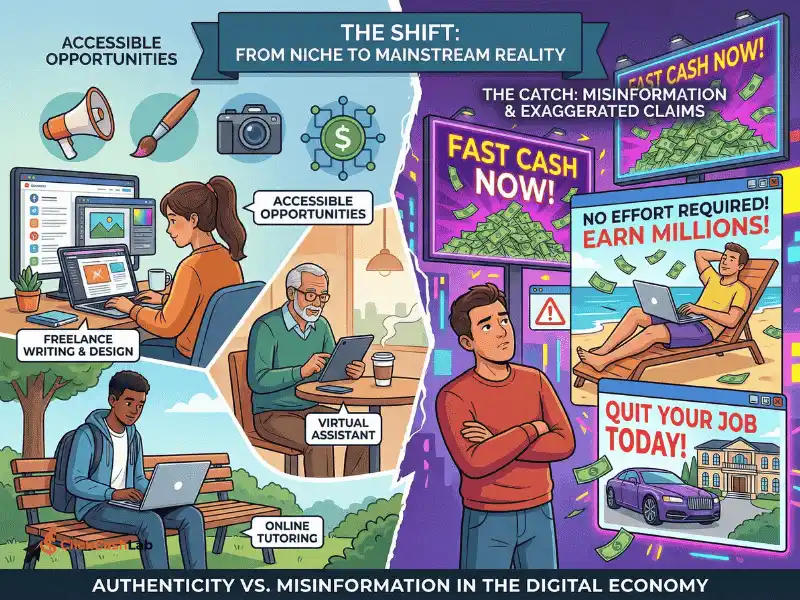
The idea of Real to Make Money Online Passive Income has shifted from being a niche concept to a mainstream reality. Not too long ago, earning through the internet sounded like something reserved for tech experts or digital entrepreneurs. Today, it’s a legitimate and accessible path for students, professionals, stay-at-home parents, and pretty much anyone with an internet connection. But here’s the catch—while opportunities are everywhere, so is misinformation. For every genuine method, there are dozens of exaggerated claims promising fast cash with little to no effort.
So what’s actually real?
Real to Passive Income, Make Money Online isn’t about shortcuts or overnight success. It’s about leveraging the internet to offer value—whether through skills, content, products, or services. Think of the internet as a massive marketplace where billions of people interact daily. Somewhere in that crowd are individuals willing to pay for solutions, entertainment, knowledge, or convenience. The question isn’t whether money can be made online—it’s how you position yourself to earn it.
One of the biggest advantages of online income is flexibility. You can work from anywhere, choose your own schedule, and often scale your earnings beyond what traditional jobs offer. But that flexibility comes with responsibility. Without structure, consistency, and a willingness to learn, it’s easy to get distracted or give up too soon.
Another important thing to understand is that not all online income streams are the same. Some, like freelancing or remote jobs, offer immediate but active income—you trade time for money. Others, like blogging, affiliate marketing, or digital products, take longer to build but can eventually generate passive or semi-passive income. Knowing the difference helps you set realistic expectations from the start.
At its core, making money online is a skill—one that improves with time, effort, and experience. Once you understand the fundamentals, you’ll start to see opportunities everywhere. And that’s when things begin to change, not just financially, but in how you think about work, freedom, and what’s truly possible in the digital age.Understanding the Reality of Online Income
Making money online sounds like a dream—working from your couch, setting your own hours, and watching income roll in while you sleep. But let’s get something straight right away: real online income is not magic, and it’s definitely not instant. If you’ve ever stumbled across flashy ads promising thousands of dollars overnight, you already know how tempting those claims can be. The truth, though, is a lot more grounded—and honestly, a lot more empowering once you understand it.
Online income works just like offline income. You either trade your time, your skills, or your assets for money. The only difference is the internet gives you access to a global marketplace. That means instead of being limited to your local area, you can sell your services, products, or ideas to people across the world. That’s a massive advantage, but it also means more competition.
What separates people who actually make money online from those who give up? It usually comes down to consistency, patience, and strategy. Many beginners jump from one method to another—freelancing today, dropshipping tomorrow, crypto the next week—never sticking long enough to see results. Real success online is more like planting seeds than flipping a switch. You nurture something over time, and eventually, it grows.
Another important piece is understanding expectations. Your first $100 online might feel incredibly hard to earn—but that’s normal. Once you figure out the process, scaling to $1,000 or even $10,000 becomes much more realistic. It’s like learning to ride a bike: difficult at first, but second nature later.
So before diving into specific methods, it’s important to shift your mindset. Making money online is not about shortcuts—it’s about leverage. You’re using tools, platforms, and digital systems to multiply your effort. Once you truly grasp that idea, everything else starts to make a lot more sense.
Myths vs. Reality in Making Money Online
There’s no shortage of myths floating around the internet when it comes to making money online. In fact, misinformation is one of the biggest reasons people either fail or never even start. Let’s clear the air and talk about what’s real and what’s just hype.
One of the biggest myths is that you don’t need any skills. You’ve probably seen headlines like “Earn $5,000/month with zero experience.” Sounds great, right? But here’s the reality: every legitimate way to make money online requires some form of value creation. That value might come from writing, designing, coding, teaching, entertaining, or even organizing information—but it has to come from somewhere.
Another common misconception is that passive income is completely hands-off. While it’s true that some income streams can become passive over time, they usually require a significant upfront investment of time or money. For example, a successful blog might eventually generate income while you sleep, but getting it to that point takes months (sometimes years) of consistent work.
People also tend to underestimate the role of failure. The truth is, most successful online earners have tried—and failed—multiple times before finding something that works. That’s not a flaw in the system; it’s part of the process. Each failure teaches you something valuable about the market, your audience, or your own strengths.
Then there’s the myth that only “tech-savvy” people can succeed online. That couldn’t be further from the truth. Many successful freelancers, bloggers, and creators started with minimal technical knowledge. What they did have was a willingness to learn and adapt.
At its core, making money online is about solving problems. If you can help someone save time, make money, feel entertained, or learn something new, you can earn online. Strip away all the noise, and that’s what it really comes down to.
Skills vs. Luck: What Really Matters
It’s easy to look at successful people online and assume they just got lucky. Maybe they posted a viral video, launched a product at the perfect time, or stumbled into a profitable niche. And while luck can play a small role, it’s rarely the main factor behind sustained success.
Skills are the real foundation of making money online. Whether you’re freelancing, blogging, or running an online store, your ability to deliver value determines how much you can earn. Think about it this way: the internet doesn’t pay you just for showing up—it pays you for being useful.
Some of the most valuable online skills right now include writing, copywriting, digital marketing, graphic design, video editing, and coding. But even softer skills like communication, problem-solving, and consistency can make a huge difference. The good news? Almost all of these skills can be learned online for free or at a low cost.
Luck tends to show up when preparation meets opportunity. For example, if you’ve been consistently creating content and one of your posts suddenly goes viral, it might look like luck from the outside. But in reality, that “lucky” moment was built on dozens or even hundreds of previous attempts.
Another thing to consider is that skills compound over time. The more you practice, the better you get, and the more opportunities open up. Someone who spends a year improving their writing or marketing skills will almost always outperform someone who spends that year chasing quick wins.
That said, taking action is just as important as building skills. You can spend months learning, but if you never apply what you know, nothing changes. The sweet spot is combining learning with doing—testing ideas, refining your approach, and gradually improving.
So if you’re wondering whether you need luck to succeed online, the answer is simple: focus on building skills, and you’ll create your own opportunities.
Freelancing as a Reliable Income Stream
Freelancing is one of the most straightforward and realistic ways to make money online, especially if you’re starting from zero. Think of it as selling your skills directly to people who need them. Instead of working a traditional 9-to-5 job, you take on projects from clients around the world. The beauty of freelancing is that you don’t need a huge upfront investment—just a skill, a laptop, and an internet connection.
What makes freelancing so powerful is how quickly you can start earning. Unlike blogging or YouTube, which can take months to generate income, freelancing can pay you within days or weeks of landing your first client. That’s why many people use it as their entry point into the online income world. It’s not just about quick cash, though. Over time, freelancing can grow into a full-time career or even a business if you scale it properly.
Here’s the reality, though: freelancing isn’t as simple as signing up and waiting for clients to flood your inbox. You’re competing with thousands of other freelancers, many of whom are experienced and willing to work for lower rates. That can feel intimidating at first, but it’s not a dealbreaker. The key is positioning yourself correctly. Instead of trying to be everything to everyone, focus on a specific niche or service. For example, instead of saying “I’m a writer,” you could say “I write SEO blog posts for tech startups.” That level of clarity makes you stand out instantly.
Another important factor is building trust. Clients want to know they’re hiring someone reliable. Even if you’re new, you can create sample work, offer competitive pricing initially, and communicate clearly to build credibility. Once you get a few positive reviews, everything becomes easier.
Freelancing also teaches you valuable business skills—negotiation, client management, time management—that can benefit you in any online venture. It’s not just a way to earn money; it’s a training ground for bigger opportunities.
Best Freelancing Platforms to Start
When you’re just getting started, choosing the right platform can make a huge difference. Freelancing platforms act as marketplaces where clients and freelancers connect, and each one has its own strengths and weaknesses.
Here’s a quick comparison of some popular platforms:
| Platform | Best For | Fees | Difficulty Level |
|---|---|---|---|
| Upwork | Long-term projects, professional work | 10% | Medium |
| Fiverr | Quick gigs, beginner-friendly | 20% | Easy |
| Freelancer | Competitive bidding projects | 10% | Medium |
| Toptal | High-end clients, experts | High screening | Hard |
Fiverr is often the easiest place to start. Instead of bidding on jobs, you create “gigs” that clients can purchase directly. This makes it beginner-friendly, but it also means you need to optimize your profile and descriptions to attract buyers. On the other hand, Upwork allows you to apply for jobs posted by clients. It takes more effort upfront, but it often leads to higher-paying and long-term opportunities.
One mistake beginners make is signing up for multiple platforms and spreading themselves too thin. It’s usually better to focus on one platform, learn how it works, and build momentum there before expanding. Treat your profile like a storefront—it should clearly explain what you offer, who it’s for, and why someone should choose you.
Another tip is to start small. Your first few jobs might not pay much, and that’s okay. Think of them as stepping stones. Each completed project adds to your experience and builds your reputation. Over time, you can raise your rates and become more selective about the work you take on.
The platform you choose doesn’t define your success—how you use it does. With consistency and smart positioning, even beginners can start landing clients within a few weeks.
High-Demand Freelance Skills in 2026
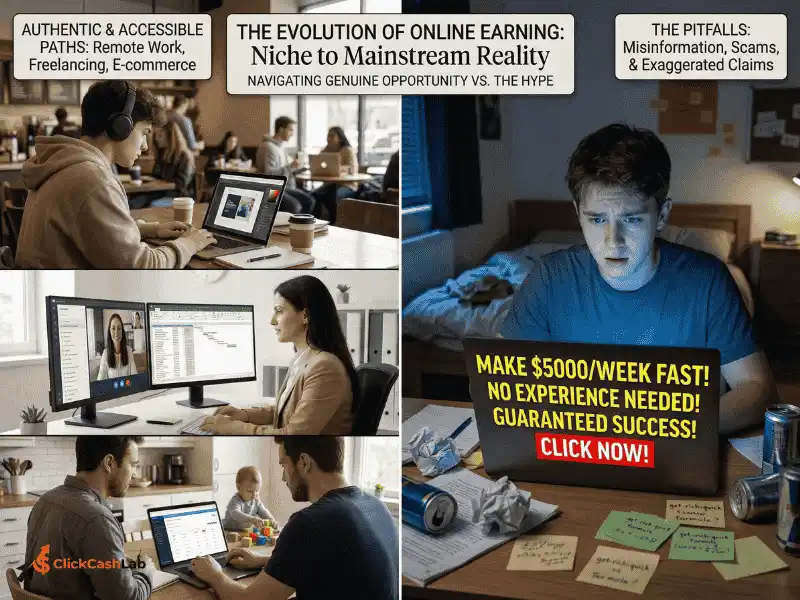
Not all skills are created equal when it comes to freelancing. Some are in much higher demand than others, which means they can command better rates and more consistent work. If you’re serious about making money online, it’s worth focusing on skills that businesses are actively looking for.
One of the most in-demand skills right now is copywriting. Companies need persuasive content to sell their products—whether it’s website copy, email campaigns, or ads. Good copywriters can charge premium rates because their work directly impacts revenue. Similarly, content writing, especially SEO-focused articles, continues to be a strong demand area as businesses compete for visibility on search engines.
Another booming field is graphic design. From social media graphics to branding and logos, visual content is everywhere. If you have an eye for design, this can be a highly profitable path. Tools like Canva have made design more accessible, but skilled designers who understand branding and user experience still stand out.
Then there’s video editing, which has exploded with the rise of platforms like YouTube, TikTok, and Instagram Reels. Businesses and creators need editors who can turn raw footage into engaging content. This skill alone can generate a steady stream of clients if you position yourself well.
Tech-related skills like web development, app development, and AI automation are also highly lucrative. They may take longer to learn, but they often come with higher pay and more opportunities.
Here’s a simple breakdown:
- Beginner-friendly: Content writing, virtual assistance, data entry
- Intermediate: Graphic design, social media management, video editing
- Advanced: Web development, AI tools, software engineering
The key is not to chase every trending skill but to pick one and go deep. Mastery beats variety when it comes to freelancing. Once you’re known for a specific skill, clients will start coming to you instead of the other way around.
Starting a Profitable Blog
Starting a blog is one of those online money-making methods that sounds simple on the surface but unfolds into something much deeper once you get into it. At its core, blogging is about sharing valuable content with a specific audience—but the real magic happens when that content starts attracting consistent traffic and turning readers into income.
The biggest advantage of blogging is that it’s a long-term asset. Unlike freelancing, where you trade time for money, a blog can generate income even when you’re not actively working on it. That’s what draws many people in—the idea of building something once and earning from it repeatedly. But here’s the catch: blogging requires patience. It’s not uncommon for a blog to take 6–12 months before generating meaningful income.
To get started, you need three basic things: a domain name, hosting, and a content management system like WordPress. Once your blog is live, the real work begins—creating content that people actually want to read. This is where many beginners struggle. They either write about topics that are too broad or too competitive, or they lose motivation before seeing results.
Consistency is your best friend here. Publishing high-quality articles regularly signals to search engines like Google that your site is active and valuable. Over time, this can lead to higher rankings and more organic traffic. And traffic is everything in blogging—without it, monetization becomes nearly impossible.
Another important factor is understanding your audience. Who are you writing for? What problems are they trying to solve? The more clearly you can answer those questions, the easier it becomes to create content that resonates. Blogging isn’t just about writing—it’s about connecting.
If you approach blogging with a long-term mindset and a willingness to learn, it can become one of the most sustainable and scalable ways to make money online.
Choosing a Niche That Makes Money
Picking the right niche can make or break your blogging journey. It’s tempting to write about everything you’re interested in, but that usually leads to a scattered blog that struggles to gain traction. Instead, you want to focus on a niche that sits at the intersection of your interests, audience demand, and monetization potential.
A profitable niche typically solves a problem or fulfills a strong desire. For example, niches like personal finance, health and fitness, online business, and technology tend to perform well because people are actively searching for solutions in these areas. But that doesn’t mean you have to stick to broad categories. In fact, going more specific can give you an edge.
Let’s say you’re interested in fitness. Instead of starting a general fitness blog, you could narrow it down to something like “home workouts for busy professionals” or “weight loss for beginners over 40.” This makes your content more targeted and easier to rank for in search engines.
Here’s a quick comparison of niche types:
| Niche Type | Example | Competition | Profit Potential |
|---|---|---|---|
| Broad | Fitness | High | High |
| Narrow | Home workouts | Medium | Medium-High |
| Micro | 15-min workouts for moms | Low | Medium |
Another thing to consider is monetization opportunities. Can you promote products? Are there affiliate programs available? Do people in this niche spend money? These questions help you avoid building a blog that attracts traffic but struggles to generate income.
Passion does matter, but it’s not everything. You don’t need to be obsessed with your niche—you just need to be interested enough to stay consistent. Over time, as you learn more and see results, your interest often grows naturally.
The sweet spot is finding a niche where you can provide value consistently while also tapping into an existing demand. That’s where real opportunities start to open up.
Monetization Strategies for Bloggers
Once your blog starts getting traffic, the next step is turning that traffic into income. There are several ways to monetize a blog, and most successful bloggers use a combination of methods rather than relying on just one.
One of the most common methods is display advertising. Platforms like Google AdSense or Mediavine pay you for showing ads on your site. The more traffic you have, the more you can earn. While ads are relatively easy to set up, they usually require significant traffic to generate substantial income.
Another powerful strategy is affiliate marketing. This involves promoting products or services and earning a commission for each sale made through your referral link. For example, if you run a tech blog, you could recommend gadgets or software and earn a percentage of each purchase. The key is to promote products that genuinely align with your content and audience.
You can also create and sell your own products. These could be eBooks, online courses, templates, or even physical products. This approach often has higher profit margins because you’re not sharing revenue with a third party. It does require more effort upfront, but it can be incredibly rewarding.
Sponsored content is another option. As your blog grows, brands may pay you to write posts about their products or services. This can be a lucrative income stream, especially in popular niches.
Here’s a quick breakdown:
- Ads: Easy to start, requires high traffic
- Affiliate marketing: Scalable, performance-based
- Own products: High profit, more effort
- Sponsored posts: High pay, depends on influence
The most effective approach is to experiment with different methods and see what works best for your audience. Over time, you’ll find a mix that maximizes your income while still providing value to your readers.
Making Money with Affiliate Marketing
Affiliate marketing has quietly become one of the most powerful and scalable ways to make money online, especially for people who don’t want to create their own products. At its core, it’s simple: you promote someone else’s product, and when someone buys through your unique link, you earn a commission. But while the concept is straightforward, executing it successfully requires strategy, trust, and consistency.
What makes affiliate marketing so appealing is its low barrier to entry. You don’t need inventory, customer support, or even a website (though having one helps a lot). You can promote products through blogs, YouTube channels, email newsletters, or even social media platforms. This flexibility allows you to choose a format that suits your strengths. Are you good at writing? Start a blog. Prefer talking? Try YouTube or TikTok.
The real challenge lies in building trust with your audience. People won’t click your links or buy products just because you tell them to. They need to believe that your recommendations are genuine and helpful. That’s why the most successful affiliate marketers focus on providing value first—through reviews, tutorials, comparisons, and personal experiences.
Another important aspect is choosing the right products. Promoting low-quality or irrelevant products might earn you a quick commission, but it can damage your credibility in the long run. Instead, focus on products that align with your niche and genuinely solve a problem for your audience.
Affiliate marketing is also highly scalable. Once your content starts ranking on search engines or gaining traction on social media, it can continue generating income for months or even years. That’s the beauty of it—you’re building assets that work for you over time.
If approached correctly, affiliate marketing can transition from a side hustle into a full-time income stream. It’s not about spamming links everywhere; it’s about creating meaningful content that naturally leads to conversions.
How Affiliate Marketing Works
To really understand affiliate marketing, it helps to break down the process step by step. Imagine you’re recommending a product to a friend. Now imagine getting paid every time someone follows your recommendation—that’s essentially how affiliate marketing works, but on a larger scale.
Here’s the basic flow:
- You join an affiliate program.
- You receive a unique tracking link.
- You promote that link through your content.
- Someone clicks the link and makes a purchase.
- You earn a commission.
That commission can range anywhere from a few percent to 50% or more, depending on the product and industry. Digital products, like online courses or software, often offer higher commissions because they have lower production costs.
Tracking is handled through cookies, which means if someone clicks your link and buys later (within a certain time frame), you still get credit for the sale. This is why creating high-quality, evergreen content is so valuable—it continues working even when you’re not actively promoting it.
One thing to keep in mind is that traffic is essential. Without people seeing your content, there are no clicks, and without clicks, there are no commissions. That’s why many affiliate marketers invest time in learning SEO (Search Engine Optimization), social media growth, or email marketing.
It’s also worth mentioning that affiliate marketing isn’t a get-rich-quick scheme. Your first few attempts might not generate much income, and that’s completely normal. Over time, as you refine your approach and understand your audience better, your results will improve.
The key is consistency. Keep creating content, keep testing different strategies, and keep learning from what works and what doesn’t. That’s how small commissions turn into meaningful income over time.
Best Affiliate Programs for Beginners
Choosing the right affiliate programs can significantly impact your success, especially when you’re just starting out. Some programs are more beginner-friendly, offering easy approval processes and a wide range of products to promote.
One of the most popular options is Amazon Associates. It allows you to promote millions of products across various categories. The commissions are relatively low compared to other programs, but the sheer volume of products and high conversion rates make it a great starting point.
Another excellent choice is ClickBank, which focuses on digital products like eBooks and online courses. These products often offer higher commissions—sometimes up to 50% or more. However, it’s important to carefully choose what you promote, as quality can vary.
ShareASale and CJ Affiliate are also well-known networks that connect you with a wide range of brands and companies. These platforms are slightly more advanced but offer better earning potential once you gain some experience.
Here’s a quick comparison:
| Program | Best For | Commission | Ease of Use |
|---|---|---|---|
| Amazon Associates | Physical products | Low (1–10%) | Easy |
| ClickBank | Digital products | High (20–50%) | Easy |
| ShareASale | Mixed brands | Medium | Medium |
| CJ Affiliate | Established brands | Medium-High | Medium |
As a beginner, it’s often best to start with one or two programs and focus on learning how they work. Don’t overwhelm yourself by joining too many at once. The goal is to understand your audience and figure out what types of products resonate with them.
Over time, as your traffic and experience grow, you can explore higher-paying programs or even negotiate direct partnerships with companies. That’s when affiliate marketing becomes not just a side income, but a serious business opportunity.
Selling Digital Products Online
Selling digital products is one of the most scalable and profitable ways to make money online, especially once you understand how leverage works. Unlike physical products, digital products don’t require inventory, shipping, or manufacturing. You create something once, and you can sell it an unlimited number of times. That’s where the real appeal lies—it’s not tied directly to your time after the initial effort.
Think about it like this: instead of working hour by hour like in freelancing, you’re building something that can generate income repeatedly without additional effort for each sale. That shift—from active income to scalable income—is what makes digital products so powerful.
However, there’s a catch. Creating a digital product that actually sells requires a deep understanding of your audience. You can’t just throw together an eBook or a template and expect people to buy it. The most successful digital products solve a specific problem or help achieve a clear outcome. For example, a “Beginner’s Guide to Freelancing” or a “Social Media Content Calendar Template” works because it’s practical and actionable.
Another important factor is perceived value. People are willing to pay for convenience, clarity, and results. If your product can save someone time, reduce their frustration, or help them achieve a goal faster, it becomes much easier to sell.
Marketing also plays a crucial role. Even the best product won’t generate income if no one knows about it. This is why many creators combine digital products with content platforms like blogs, YouTube, or email lists. These platforms act as traffic sources, bringing in potential buyers consistently.
While it may take time to create your first product, the long-term payoff can be significant. Once everything is set up, sales can happen automatically, turning your effort into a semi-passive income stream that grows over time.
Types of Digital Products That Sell
Not all digital products are created equal. Some are easier to create, while others offer higher earning potential. The key is choosing a type that aligns with your skills and your audience’s needs.
One of the simplest options is eBooks. If you enjoy writing, you can package your knowledge into a structured guide. These work particularly well in niches like self-improvement, business, and health. However, eBooks are often priced lower, so you may need higher volume to generate significant income.
Online courses are on the other end of the spectrum. They require more effort to create—planning lessons, recording videos, and organizing content—but they can be sold at much higher prices. A well-made course that delivers real results can become a major income source.
Then there are templates and tools, which have become increasingly popular. These include things like resume templates, social media planners, Notion dashboards, or budgeting spreadsheets. People love these because they provide instant solutions without requiring much effort.
Memberships and subscriptions are another powerful option. Instead of a one-time purchase, you offer ongoing value—like exclusive content, coaching, or community access—in exchange for a recurring fee. This creates a more predictable income stream.
Here’s a quick overview:
| Product Type | Effort Level | Price Range | Scalability |
|---|---|---|---|
| eBooks | Low | Low | High |
| Courses | High | High | Very High |
| Templates | Medium | Medium | High |
| Memberships | High | Recurring | Very High |
The best approach is to start simple. Create something small, launch it, and learn from the experience. You don’t need perfection—you need feedback. Over time, you can refine your products and expand your offerings.
Platforms to Sell Digital Products
Once you’ve created a digital product, the next step is choosing where to sell it. The platform you use can affect everything from your visibility to your profit margins.
One popular option is Gumroad, which is beginner-friendly and easy to set up. It allows you to sell directly to your audience without needing a full website. Similarly, Payhip offers simple tools for selling digital downloads and managing payments.
If you’re creating courses, platforms like Teachable and Thinkific are excellent choices. They provide everything you need to host, organize, and sell your content professionally. These platforms often include features like quizzes, certificates, and student management tools.
For those who want more control, setting up your own website using WordPress and plugins like WooCommerce can be a great option. This approach requires more effort but gives you full ownership of your platform and customer data.
Marketplaces like Etsy can also work well for certain types of digital products, especially templates and printables. The advantage here is built-in traffic, but the downside is increased competition and platform fees.
Choosing the right platform depends on your goals. If you want simplicity, go with something like Gumroad. If you’re building a long-term brand, having your own website might be the better choice.
No matter which platform you choose, the key is to focus on delivering value and building trust. Platforms can help you sell, but they can’t replace a strong connection with your audience.
E-commerce and Dropshipping
E-commerce has completely transformed how people buy and sell products, and it’s opened the door for everyday individuals to build online businesses from scratch. Among the various e-commerce models, dropshipping stands out as one of the most accessible ways to get started. The concept is simple: you sell products through an online store, but instead of holding inventory, a third-party supplier handles storage, packaging, and shipping.
This means you don’t need to invest thousands of dollars upfront in stock. You can launch a store with minimal capital, test different products, and scale what works. That flexibility is what attracts so many beginners. However, the low barrier to entry also means high competition. Anyone can start a dropshipping store, but not everyone succeeds.
Success in e-commerce today depends heavily on branding and marketing. Gone are the days when you could throw random products on a website and make easy sales. Customers are more informed, and they expect a certain level of professionalism. Your store needs to look trustworthy, your product descriptions need to be persuasive, and your marketing needs to capture attention.
Another key factor is product selection. Winning products typically solve a problem, have a “wow” factor, or tap into a strong emotional desire. For example, products that save time, improve convenience, or enhance lifestyle experiences tend to perform well.
It’s also important to understand that while dropshipping reduces some risks, it introduces others—like shipping delays and less control over product quality. That’s why many successful entrepreneurs eventually transition to holding inventory or working directly with manufacturers.
E-commerce isn’t a shortcut to quick money, but if approached strategically, it can become a highly profitable and scalable business model.
How Dropshipping Works
To understand dropshipping, imagine running a retail store without ever touching the products you sell. When a customer places an order on your website, you simply forward that order to your supplier, who then ships the product directly to the customer. You keep the difference between the retail price and the supplier’s cost—that’s your profit.
Here’s the process in simple terms:
- You create an online store (usually using platforms like Shopify).
- You list products from a supplier (often through apps like Oberlo or DSers).
- A customer places an order on your store.
- You pay the supplier to fulfill the order.
- The supplier ships the product directly to the customer.
While this sounds straightforward, the real work lies in driving traffic to your store. Most dropshippers rely on paid advertising through platforms like Facebook, Instagram, or TikTok. This requires testing different ads, targeting the right audience, and optimizing campaigns for profitability.
Another important element is customer experience. Even though you’re not handling the product directly, customers will associate their experience with your brand. That means you need to manage expectations, provide clear communication, and handle any issues that arise.
Profit margins in dropshipping can vary widely. Some products may only bring in a few dollars per sale, while others can generate significant profits. The key is finding the right balance between product cost, selling price, and advertising expenses.
Dropshipping is often misunderstood as “easy money,” but in reality, it’s a business that requires effort, testing, and persistence. Those who treat it seriously and focus on long-term growth tend to see the best results.
Pros and Cons of E-commerce
Like any business model, e-commerce comes with its advantages and challenges. Understanding both sides can help you decide whether it’s the right path for you.
Here’s a clear comparison:
| Pros | Cons |
|---|---|
| Low startup cost (especially dropshipping) | High competition |
| Scalable business model | Requires marketing skills |
| Global customer reach | Thin profit margins (initially) |
| Flexible work environment | Customer service challenges |
One of the biggest advantages is scalability. Once you find a product that sells well, you can increase your advertising budget and grow your revenue بسرعة. Unlike traditional businesses, you’re not limited by physical space or local demand.
On the flip side, competition can be intense. Many people are selling similar products, which makes it harder to stand out. This is why branding and customer experience have become so important in modern e-commerce.
Another challenge is dependency on external factors. Changes in advertising costs, supplier reliability, or platform policies can impact your business. That’s why diversification—like building an email list or developing your own products—is often recommended as you grow.
E-commerce isn’t for everyone, but for those willing to learn and adapt, it offers a unique opportunity to build a business with global reach and long-term potential.
Content Creation on YouTube and Social Media
Content creation has evolved from a hobby into a legitimate career path. Platforms like YouTube, TikTok, Instagram, and even newer channels have created opportunities for individuals to build audiences and monetize their creativity. What used to require a production team can now be done with a smartphone and some consistency.
At its core, content creation is about capturing attention and providing value—whether that’s entertainment, education, or inspiration. The more effectively you can do that, the more your audience grows. And with growth comes monetization opportunities.
One of the biggest advantages of content creation is its potential for exponential growth. A single viral video can bring in thousands—or even millions—of views overnight. But relying on virality isn’t a strategy. Consistency and understanding your audience matter far more in the long run.
Another important aspect is choosing a niche. Just like blogging, having a clear focus helps you attract a specific audience. Whether it’s tech reviews, fitness tips, personal finance, or lifestyle content, clarity makes it easier for people to follow and trust you.
Content creation also builds personal brand equity. Over time, your audience begins to see you as an authority or influencer in your space. This opens doors to partnerships, sponsorships, and other income streams that go beyond platform monetization.
It’s not the easiest path—creating content regularly can be time-consuming and mentally demanding—but for those who stick with it, the rewards can be both financial and personal.
Monetization Methods for Creators
Once you’ve built an audience, there are multiple ways to turn your content into income. Most successful creators don’t rely on just one method—they diversify their income streams.
One of the most well-known methods is ad revenue. Platforms like YouTube pay creators based on views and ad engagement. While this can be a steady income source, it usually requires a large number of views to generate significant earnings.
Sponsorships and brand deals are often more lucrative. Companies pay creators to promote their products or services, and these deals can range from small collaborations to high-paying partnerships. The key here is having an engaged audience, not just a large one.
Affiliate marketing is another popular option. Creators recommend products and earn a commission on sales generated through their links. This works particularly well for review-based or educational content.
Many creators also sell their own products—merchandise, courses, or digital downloads. This allows them to leverage their audience directly without relying on third-party platforms.
Here’s a quick breakdown:
- Ad revenue: Passive but requires high views
- Sponsorships: High-paying, depends on audience
- Affiliate marketing: Performance-based income
- Own products: High control and profit
The best strategy is to start with one method and gradually expand. Over time, this creates a more stable and diversified income stream.
Growing an Audience from Scratch
Building an audience from zero can feel overwhelming, but it’s completely achievable with the right approach. The biggest mistake beginners make is focusing too much on perfection instead of consistency. Your early content doesn’t need to be flawless—it just needs to exist.
Consistency is the foundation. Posting regularly increases your chances of being discovered and helps you improve over time. Each piece of content is a learning opportunity, giving you insights into what works and what doesn’t.
Another key factor is understanding your audience. Pay attention to what people engage with—comments, shares, watch time—and use that feedback to refine your content. Growth is rarely random; it’s usually the result of small, consistent improvements.
Engagement also matters. Responding to comments, asking questions, and creating interactive content can help build a stronger connection with your audience. People are more likely to follow and support creators they feel connected to.
Finally, don’t underestimate the power of trends. While you shouldn’t rely on them entirely, tapping into trending topics or formats can boost your visibility, especially in the early stages.
Growing an audience takes time, but with persistence and a willingness to adapt, it becomes one of the most rewarding paths to making money online.
Remote Jobs and Online Employment
Not everyone wants to build a business or hustle across multiple income streams—and that’s completely fine. Sometimes, what you really want is stability: a steady paycheck, predictable hours, and the comfort of knowing exactly how much you’ll earn each month. That’s where remote jobs and online employment come into play. These roles bring the familiarity of traditional work into the digital space, allowing you to earn from anywhere without sacrificing structure.
Remote work has exploded in recent years. According to global workforce studies, a significant percentage of companies now offer remote or hybrid roles, and that number continues to grow. What used to be limited to tech companies has now spread across industries like customer support, marketing, education, finance, and even healthcare. This means there’s a wide range of opportunities, even if you don’t have a highly technical background.
One of the biggest advantages of online jobs is predictability. Unlike freelancing or entrepreneurship, where income can fluctuate, a remote job often provides consistent pay and benefits. This makes it an attractive option for people who prefer financial stability over risk.
However, competition can be tough. Since these jobs are accessible globally, you’re not just competing with people in your area—you’re competing with candidates from around the world. That’s why having a strong resume, relevant skills, and good communication is essential.
Another factor to consider is discipline. Working from home sounds आरामदायक, but it comes with its own challenges—distractions, lack of structure, and sometimes isolation. Successful remote workers create routines and environments that help them stay productive.
If you’re looking for a reliable way to make money online without diving into business-building, remote jobs offer a practical and sustainable path.
Best Websites for Remote Jobs
Finding legitimate remote jobs starts with knowing where to look. The internet is full of job boards, but not all of them are reliable or worth your time. Focusing on reputable platforms can save you hours of frustration and increase your chances of landing a good role.
Some of the most trusted websites include:
| Website | Best For | Job Types | Experience Level |
|---|---|---|---|
| Remote.co | Fully remote jobs | Customer support, marketing | Beginner–Advanced |
| We Work Remotely | Global opportunities | Tech, design, writing | Intermediate–Advanced |
| FlexJobs | Verified listings | Various industries | Beginner–Advanced |
| Networking + jobs | All industries | All levels |
FlexJobs stands out because it screens job listings to ensure they’re legitimate, though it requires a subscription. We Work Remotely is popular for tech and creative roles, while Remote.co offers a wide range of categories suitable for beginners.
LinkedIn deserves special mention. It’s not just a job board—it’s a networking platform. Many recruiters actively search for candidates there, which means having a well-optimized profile can bring opportunities directly to you.
When applying, avoid the “spray and pray” approach of sending the same resume everywhere. Tailor your application to each role, highlighting relevant skills and experience. Even small adjustments can significantly improve your chances.
Also, be cautious of scams. If a job promises unusually high pay for minimal work or asks for upfront fees, it’s likely not legitimate. Trust your instincts and stick to reputable platforms.
How to Land Your First Online Job
Getting your first remote job can feel like the hardest step, especially if you don’t have prior experience. But here’s the thing: everyone starts somewhere. The key is to position yourself in a way that shows potential, even if your experience is limited.
Start by identifying your transferable skills. Have you worked in customer service? That translates well into remote support roles. Good at writing emails or organizing tasks? Those are valuable skills for virtual assistant positions. You don’t need to start from scratch—you just need to reframe what you already know.
Next, focus on building a simple but strong portfolio. If you’re applying for writing jobs, include sample articles. For design roles, showcase your work visually. Even if these are self-created projects, they demonstrate your ability and initiative.
Your resume and cover letter should be clear and concise. Highlight achievements rather than just listing responsibilities. For example, instead of saying “handled customer inquiries,” you could say “resolved 95% of customer issues on first contact.” Specifics make a stronger impression.
Preparation also matters. Before interviews, research the company, understand the role, and be ready to explain how you can contribute. Confidence doesn’t come from knowing everything—it comes from being prepared.
Finally, don’t get discouraged by rejections. It’s normal to apply to multiple jobs before getting a response. Each application is a learning experience, helping you refine your approach.
Landing your first online job might take time, but once you’re in, it becomes much easier to grow your career and explore new opportunities.
Conclusion
Making money online is no longer a mystery—it’s a collection of real, proven paths that anyone can explore with the right mindset and effort. Whether it’s freelancing, blogging, affiliate marketing, selling digital products, running an e-commerce store, creating content, or working a remote job, each method offers a unique way to earn income in the digital world.
The common thread across all these options is value creation. The internet rewards people who solve problems, share knowledge, entertain, or make life easier for others. There’s no shortcut around that. If you focus on delivering value consistently, the money follows.
It’s also important to choose a path that aligns with your goals and personality. If you prefer stability, remote jobs might be your best bet. If you enjoy creativity and long-term growth, blogging or content creation could be a better fit. There’s no one-size-fits-all solution.
What matters most is taking action. Reading about these methods is a great start, but results come from applying what you learn. Start small, stay consistent, and be willing to adapt along the way.
Over time, those small steps compound into real progress—and that’s how online income turns from an idea into reality.
FAQs
1. What is the easiest way to make money online for beginners?
Freelancing is often considered the easiest starting point because it allows you to earn quickly using existing skills. Platforms like Fiverr and Upwork make it accessible, even for beginners.
2. How long does it take to start earning money online?
It depends on the method. Freelancing and remote jobs can generate income within weeks, while blogging or content creation may take several months to a year.
3. Do I need to invest money to make money online?
Not always. Many methods, like freelancing and affiliate marketing, can be started with little to no investment. However, investing in tools or education can speed up your progress.
4. Is making money online sustainable long-term?
Yes, many people build full-time careers or businesses online. Sustainability depends on consistency, skill development, and adapting to changes in the market.
5. Can I make money online without any skills?
You can start with basic tasks, but developing skills significantly increases your earning potential. Learning skills like writing, design, or marketing can open up better opportunities.
